
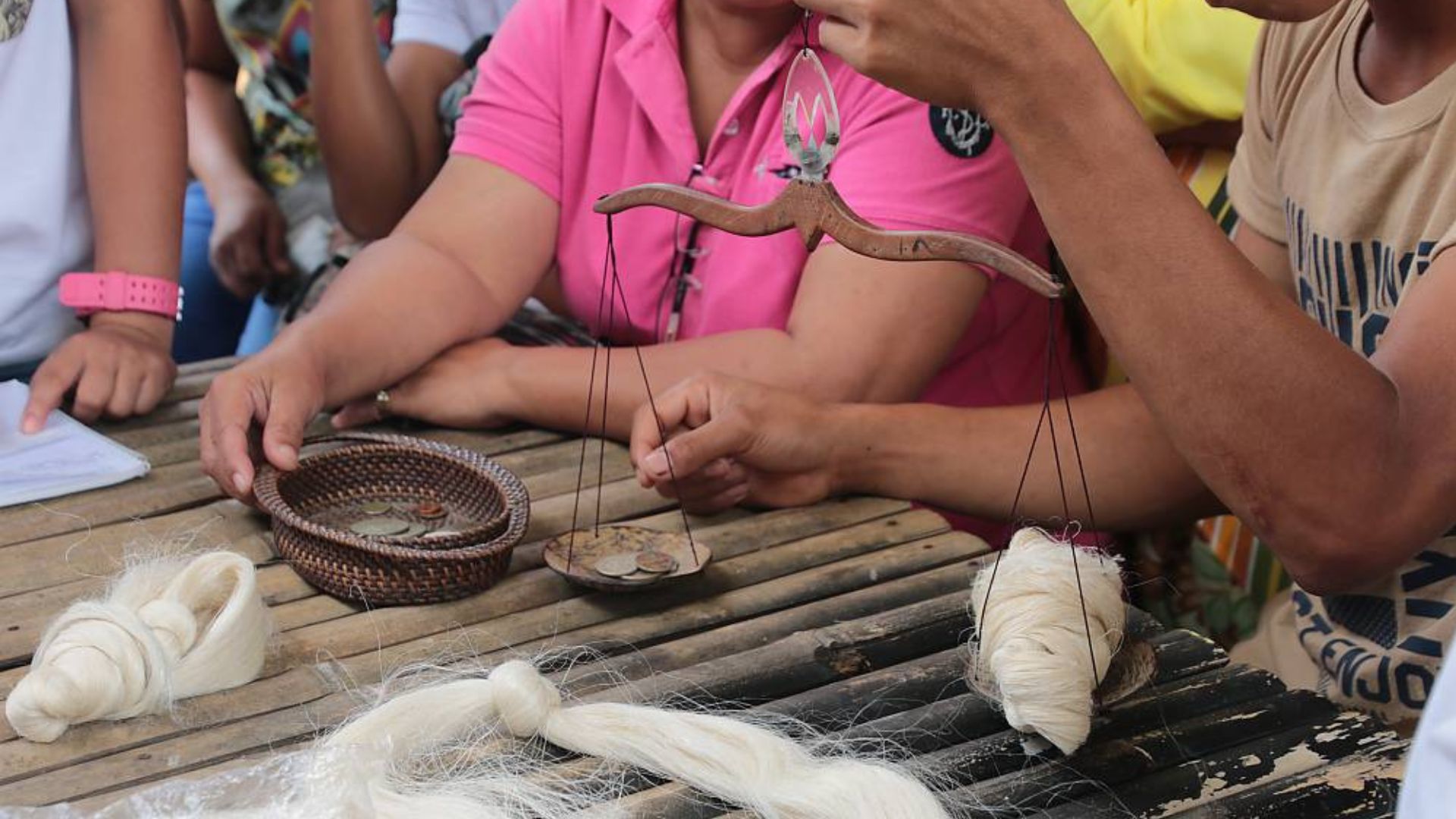







Aklan’s Piña handloom weaving recently received global recognition on UNESCO’s Intangible Cultural Heritage list, recognizing the unique tradition of the country.
On December 8, one of the provinces in the Philippines proudly showcased its traditional handloom weaving during the eighteenth session of the Intergovernmental Committee for the Safeguarding of the Intangible Cultural Heritage at the Republic of Botswana.
Piña, derived from the Spanish word for pineapple, refers to the delicate fibers extracted from pineapple leaves. Aklan’s weavers skillfully transform these fibers into intricate textiles that are not only visually stunning but also symbolize the cultural identity of the region.
From hand-harvesting the pineapple leaves to carefully extracting the fibers, each step is a testament to the weavers’ dedication to preserving their heritage.
The weaving process itself requires a high level of skill, precision, and passion as the artisans create unique patterns and designs, and UNESCO notes that the knowledge and skills of piña handloom weaving are primarily passed on within families.
UNESCO’s recognition of Aklan’s piña weaving is a significant milestone not only because it promotes the art form on a global scale but also underscores the importance of preserving traditional craftsmanship.
As Aklan’s piña weaving steps onto the international stage, there is hope that this recognition will not only safeguard the heritage but also encourage the transmission of knowledge to future generations.
The inclusion in UNESCO’s list serves as a reminder of the rich tapestry of human traditions and the importance of preserving them for the cultural wealth of our shared global heritage.