










The expansion of the Luzon Economic Corridor (LEC) received additional support from more countries on Monday, ensuring sustainable economic opportunities across the Indo-Pacific.
In a joint statement, the Philippine government, along with that of the United States and Japan, said new partners in the LEC expansion are Australia, Denmark, France, Italy, Republic of Korea, Sweden and the United Kingdom.
Announced in April 2024 as the first Partnership for Global Infrastructure and Investment (PGI) corridor in the Indo-Pacific, the LEC improves connectivity from Subic Bay, Clark, Manila and Batangas.
The statement stressed that “through coordinated investments in transport infrastructure, energy systems, digital connectivity, and advanced manufacturing supply chains, the LEC will create thousands of high-quality jobs and transform Luzon into a more prosperous and interconnected region.”
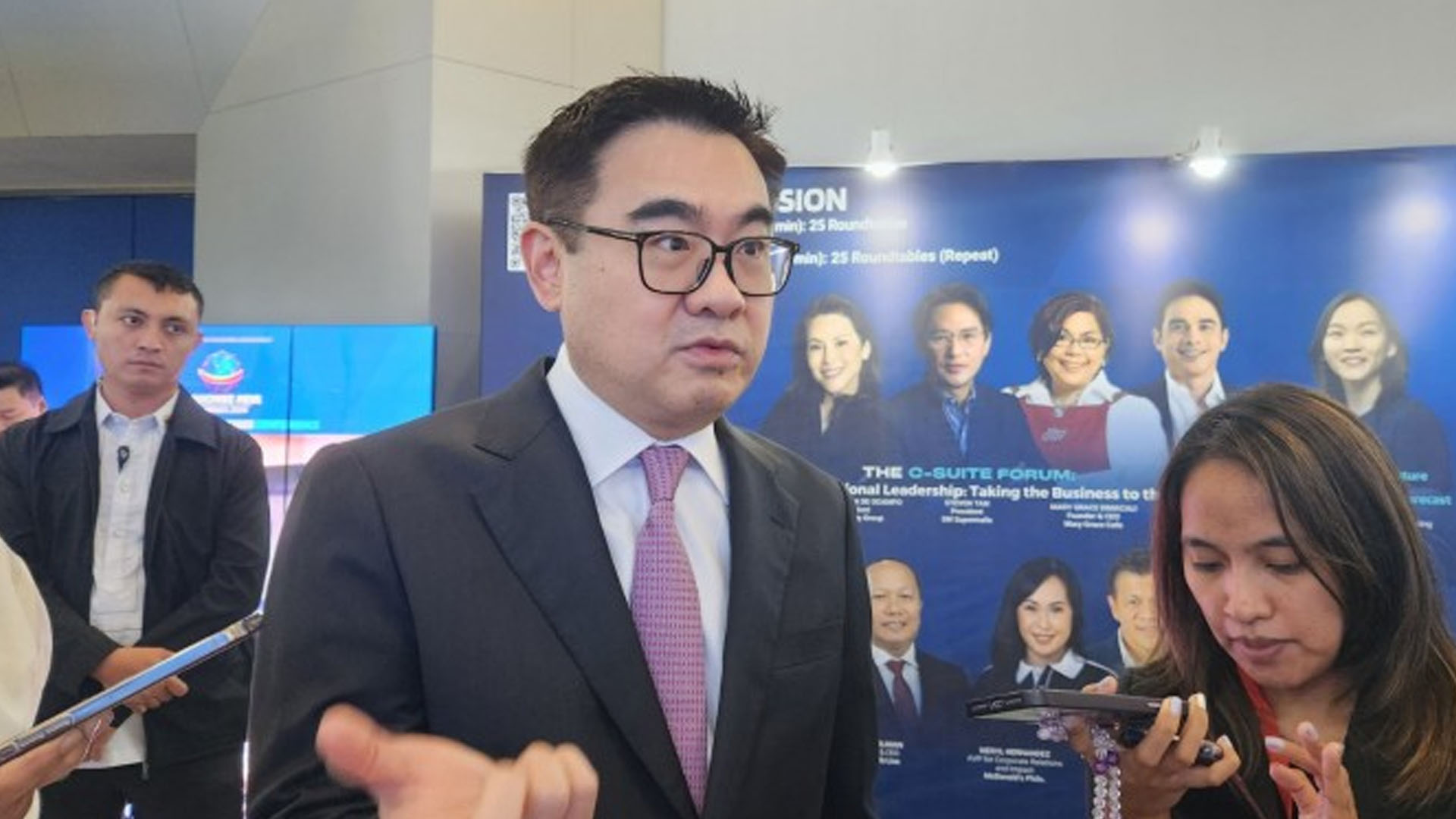
“The expansion of the LEC partnership demonstrates the power of collaboration among like-minded nations committed to transparency and shared prosperity,” Philippine Secretary of Finance Frederick Go said.
Go, co-chair of the LEC Steering Committee said: “Together, we are building infrastructure that will improve daily life for millions of Filipinos and create new opportunities for businesses, industries, and communities in our partner countries and across the region.”
LEC partners have agreed to contribute “technical assistance, financing and facilitation of private sector investments, while actively participating in working groups focused on transport, energy, and digital infrastructure.
Under the agreement, Australia, through its Manila Deal Team, will provide technical assistance under the Partnerships for Infrastructure program and a new PHP1.9-billion (USD32.6-million) partnership with the Philippines on inclusive economic growth.
Denmark, on the other hand, will help revitalize the Philippines shipbuilding sector by “advancing green maritime innovation, and fostering investments, jobs, and sustainable industrial development.”
France, in turn, will help strengthen connectivity along the corridor “by financing 100 bridges through official development assistance, and industrial capacity building through a foreign direct investment project in the aeronautics sector.”
Italy, meanwhile, will help in the “development of quality, resilient, and sustainable infrastructure by increasing its public financial support in order to facilitate private sector investment from Italian companies in the transport, semiconductors, and manufacturing sectors.”
South Korea will also contribute to “enhanced transport and digital connectivity, and sustained economic growth along the LEC, through Official Development Assistance and Public-Private Partnership initiatives, including a PHP1.5 billion (USD25.6million) grant to establish the National Cyber Security Center and the Ninoy Aquino International Airport modernization PPP Project.”
Sweden’s share is on “contributing to Luzon’s Subic-Clark-Manila-Batangas freight railway through a PHHP74-million (USD1.2 million) grant to fund a feasibility study on signaling systems and operational models.”
The United Kingdom, on the other hand, “is deploying its full Growth and Investment Partnerships (GIP+) toolkit in the LEC, providing technical assistance, PHP411 billion (USD6.8 billion) in export finance, and mobilizing capital towards infrastructure and energy projects.”
U.S. Senior Advisor for Economic, Energy, and Business Affairs Ambassador Heather Variava said the expansion of the Luzon Economic Corridor partnership shows “what we can accomplish when like-minded nations unite around strategic infrastructure and shared prosperity.”
“This initiative is creating real opportunities for U.S. business, our Philippine partners, and investors across the Indo-Pacific while countering exploitative infrastructure practices with a better alternative,” she said.
Ambassador of Japan to the Philippines Endo Kazuya, for this part, said the expanded partnership “reflects our shared vision for quality infrastructure development that respects transparency, sustainability, and the rule of law.”
“Together, we are building connectivity that will benefit generations of Filipinos and strengthen economic ties across the Indo-Pacific,” he added. (PNA)