



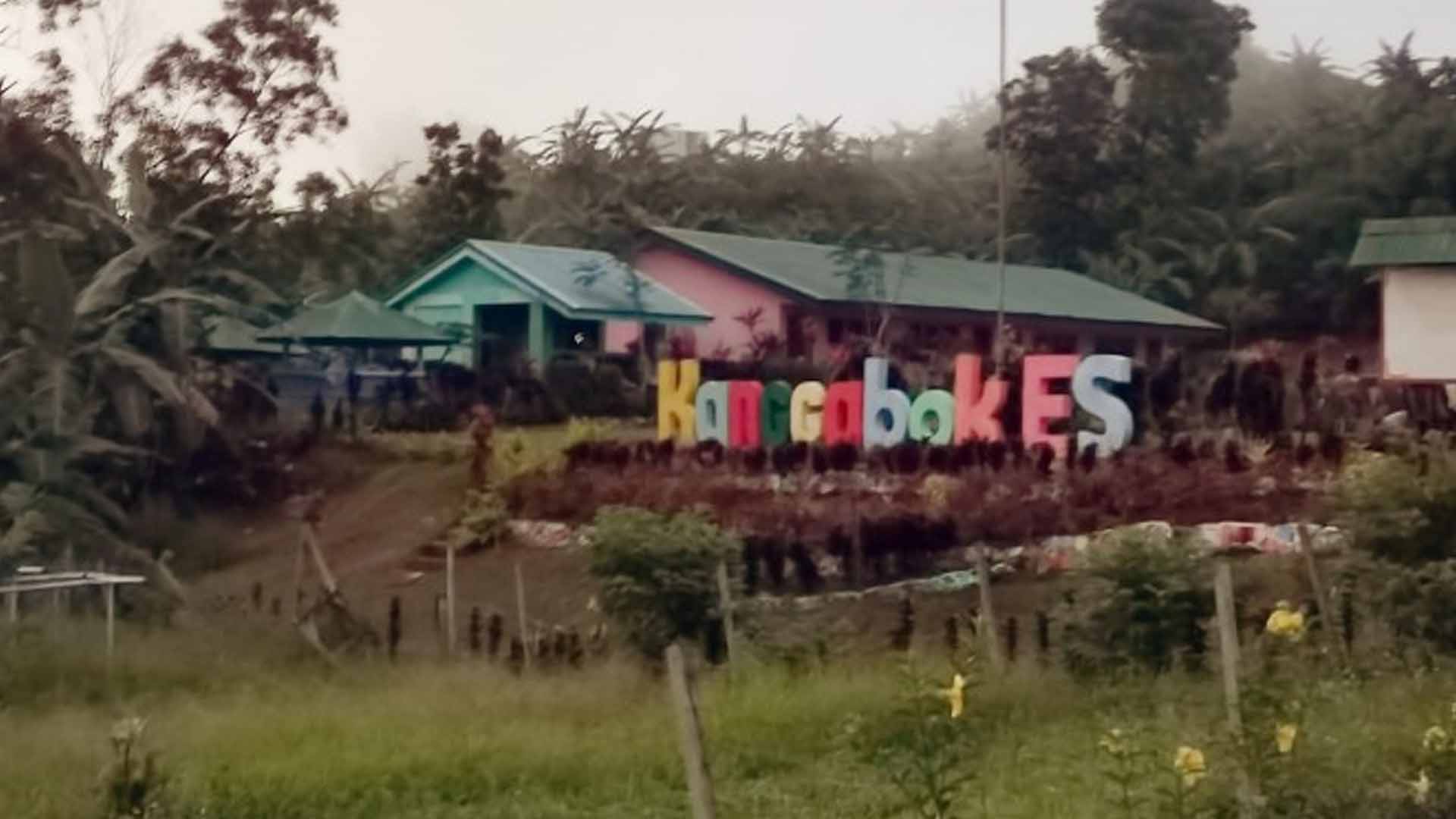







President Ferdinand R. Marcos Jr. has signed Republic Act 12321, institutionalizing government support for public basic education schools in geographically isolated and disadvantaged areas (GIDA) and other underserved communities.
Marcos signed RA 12321, or the Last Mile and GIDA Schools Act, on July 22. The measure establishes a nationwide program to address longstanding gaps in resources, facilities, and other essential education inputs in schools and communities that have not met standard allocation criteria.
Under the law, the Department of Education (DepEd) is required to develop and publish a National Last Mile and GIDA Schools Map within one year from the law’s effectivity. The map will serve as the basis for planning, resource allocation and program implementation.
The DepEd must also review and update the map at least once every three years to ensure that it remains responsive to changing conditions and evolving educational needs.
A public school may be classified as a Last Mile and GIDA school if it is located in, or serves, communities affected by “conflict, insecurity, disaster vulnerability, or other conditions that significantly impede safe access to education.”
Schools where more than 75 percent of learners are indigenous peoples may also qualify for inclusion.
“The establishment of Last Mile and GIDA Schools within ancestral domains shall be undertaken in accordance with Republic Act. No. 8371 or The Indigenous People’s Rights Act of 1997, including compliance with Free Prior and Informed Consent requirements,” the law read.
The measure also directs the DepEd to adopt and implement a national school accessibility standard to guide school siting, mapping, and infrastructure programming for public basic education institutions, including Last Mile and GIDA schools.
School buildings and related facilities must comply with the minimum standards and specifications prescribed by the DepEd for public school infrastructure.
“Such standards shall ensure that all school facilities remain safe, durable, accessible, climate- and disaster-resilient, and suitable to the geographic, cultural, and environmental conditions of the communities they serve,” the law said.
“When practicable, the DepEd shall integrate the use of bamboo, engineered bamboo, and other sustainable, locally sourced materials in the design, construction, repair and rehabilitation of public schools and facilities,” it added.
To support education personnel assigned to underserved areas, the law directs the DepEd to coordinate with the Department of Budget and Management, concerned local government units, and other relevant agencies in providing a comprehensive support package for teachers and non-teaching personnel in Last Mile and GIDA schools.
The DepEd is likewise mandated to assess and report on learner participation, retention, and learning outcomes to ensure that progress and remaining gaps are regularly monitored and addressed.
Funding requirements for the implementation of RA 12321 will be included in the annual budgets of the concerned agencies under the General Appropriations Act.
The law, which was made public on Friday, will take effect 15 days after its publication in the Official Gazette or in a newspaper of general circulation. (PNA)