



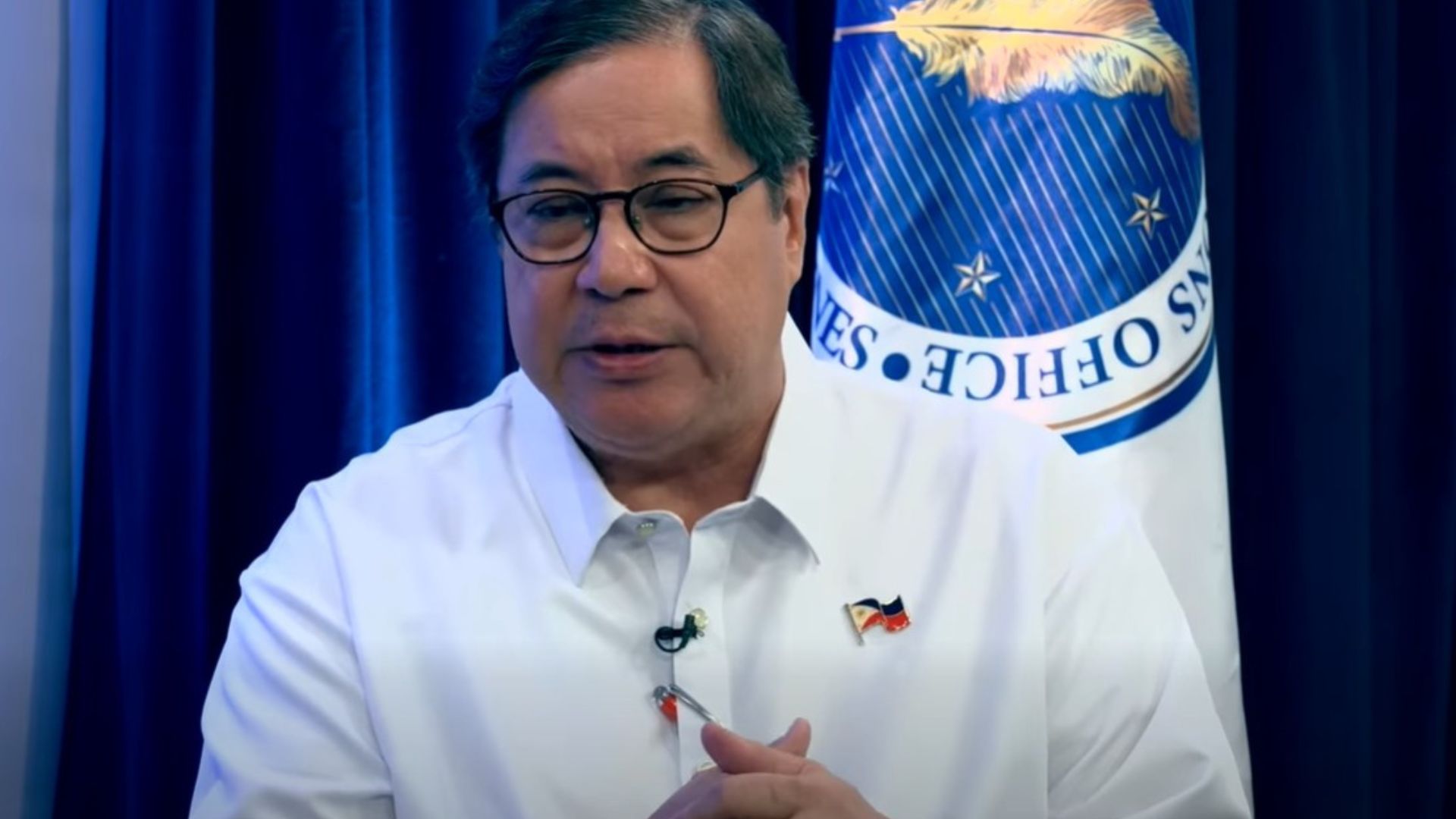







“That’s the job of the media,” Secretary Herbosa addresses the media to correct a misunderstanding amid discussions on zero balance billing in DOH hospitals.
Despite frequent assumptions, PGH is not administratively under the DOH. Instead, Herbosa emphasized that PGH is formally known as the University of the Philippines–Philippine General Hospital (UP-PGH) and is funded and administered under the University of the Philippines Manila, not as one of the DOH’s directly run hospital facilities.
The clarification highlights an important distinction within the country’s health system. PGH remains one of the largest and most prominent public hospitals in the Philippines and serves as the national university hospital. It functions both as a government-owned public hospital and as a training institution for students in medicine, nursing, physical therapy, pharmacy, and other health-related fields affiliated with the University of the Philippines.
Herbosa’s remarks come at a time when PGH and other government hospitals are facing heightened public attention due to emergency room congestion and overcapacity. In recent months, PGH’s emergency room has at times reached critical occupancy levels, leading health authorities to advise patients to seek care at other DOH-accredited hospitals to ensure timely treatment.
According to the health secretary, clarifying PGH’s institutional status is not merely a matter of administrative labeling. It helps the public better understand how different health institutions operate, who oversees them, and how responsibilities are divided within the healthcare system. This distinction is especially relevant during health emergencies and in discussions about funding, policy implementation, and administrative support.
While the DOH sets national health policies and accredits medical facilities nationwide, only certain hospitals are directly run by the department. These include institutions such as East Avenue Medical Center, San Lazaro Hospital, and the National Kidney and Transplant Institute. PGH, despite its critical role in public healthcare delivery, remains a University of the Philippines institution.
Herbosa’s clarification also reflects a broader effort toward healthcare transparency and public education. As officials increasingly use short-form video and digital platforms to communicate with the public, such channels are becoming tools for correcting misconceptions and delivering accurate information beyond traditional news outlets.