



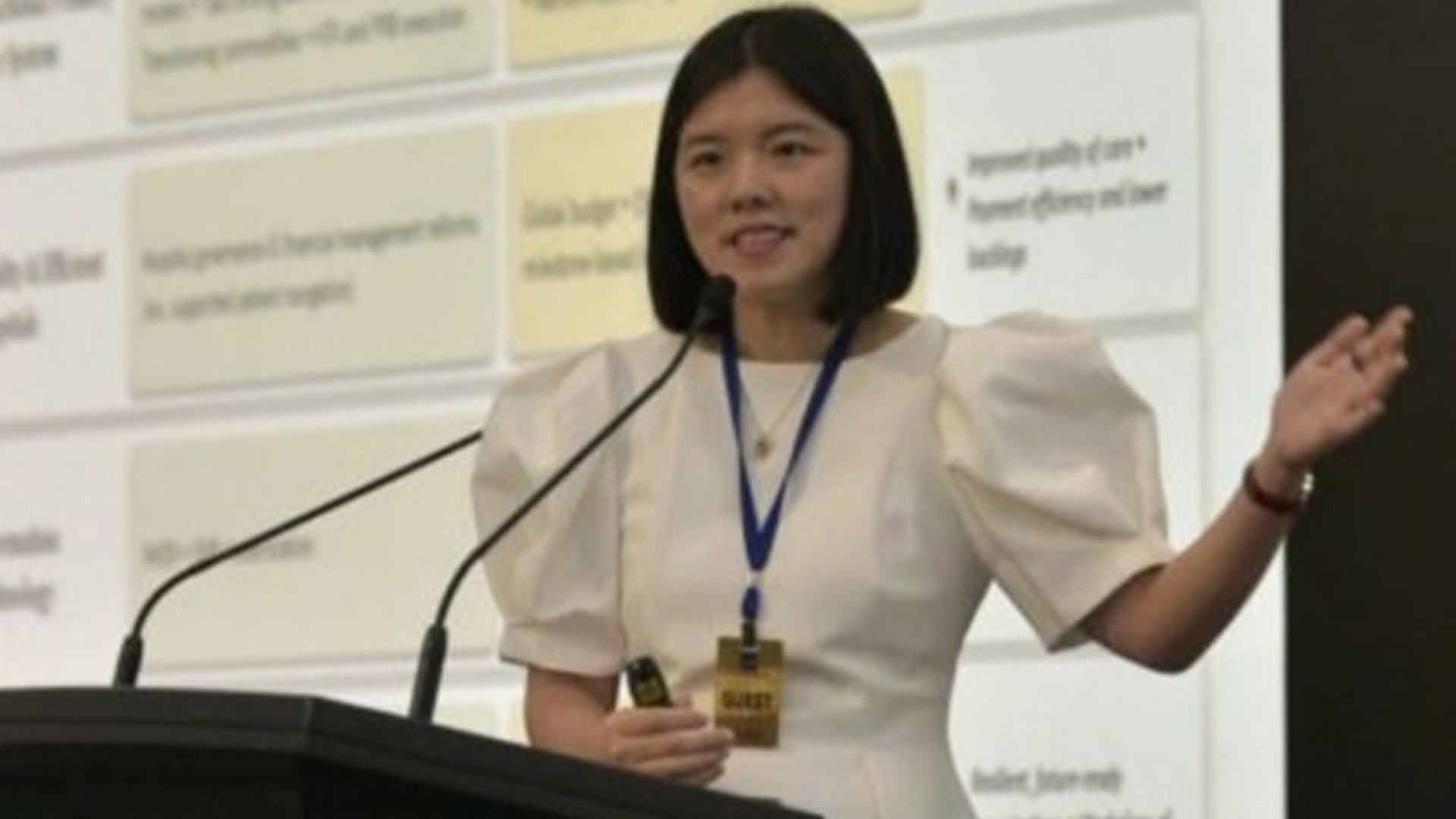







Health officials are recalibrating the Universal Health Care (UHC) program’s financing and implementation roadmap toward 2028, with PhilHealth targeting a further reduction in Filipinos’ out-of-pocket medical spending and the Department of Health (DOH) working to complete key local health financing mechanisms.
During the Senate Committee on Finance hearing on Friday, PhilHealth President and CEO Beverly Ho said the state insurer is now following the Philippine Development Plan target of bringing household out-of-pocket health spending down to 37 percent by 2028.
“But we agree with you po that we have to recalibrate this, kasi every three years nagbabago (because it changes every three years),” Ho told senators.
Out-of-pocket spending stood at 41.2 percent of total health expenditure in 2025, down from around 55 percent a decade ago.
Ho said projections under the development plan indicate that health spending would need to reach around PHP639 billion to meet the 2028 target.
Acting Health Secretary Edwin Mercado said the recalibration also takes into account the two- to three-year delay in UHC implementation caused by the Covid-19 pandemic.
He said universal PhilHealth eligibility has already been achieved, with all Filipinos entitled to coverage regardless of their contribution status.
“Yung universal coverage, kung yun po yung pagtutuunan, na-achieve po yun kasi immediate eligibility na po lahat ng Pilipino (If we are talking about universal coverage, we have achieved that because all Filipinos now have immediate eligibility),” Mercado said.
The DOH is now focusing on strengthening the delivery side of the system, particularly the availability of accredited facilities capable of providing more complex procedures covered by PhilHealth.
Mercado cited open-heart surgery, renal transplantation and other treatments under PhilHealth’s Z benefit packages as services that may be covered but are not yet equally available nationwide.
Local governments are also being prepared to take a larger role in managing integrated health systems under the UHC law.
Mercado said around 110 local health systems are progressing in terms of maturity, while the DOH is targeting 2028 for local health units or chief executives to have their respective Special Health Funds.
“By 2028, dapat yung mga local health units or yung local chief executive may mga sarili-sarili ng kanilang SHF at magkaroon na po kami ng proper financing analysis kung magkano po yung talagang kailangan para talaga ma-achieve po yung universal healthcare (local health units or local chief executives should have their own Special Health Funds, and we should have a proper financing analysis of how much is really needed to achieve universal healthcare),” Mercado said.
Meanwhile, Sen. Panfilo Lacson questioned the repeated changes in spending plans and financing targets since implementation began.
“So ano yung practical purpose ng financing strategies kung palit tayo nang palit ng targets or nami-miss natin yung target (So what is the practical purpose of financing strategies if we keep changing the targets or missing them)?” Lacson said.
He also sought a clearer accounting of funds earmarked under various laws for UHC implementation, saying Congress could exercise its oversight authority if legally mandated allocations are not fully released. (PNA)