



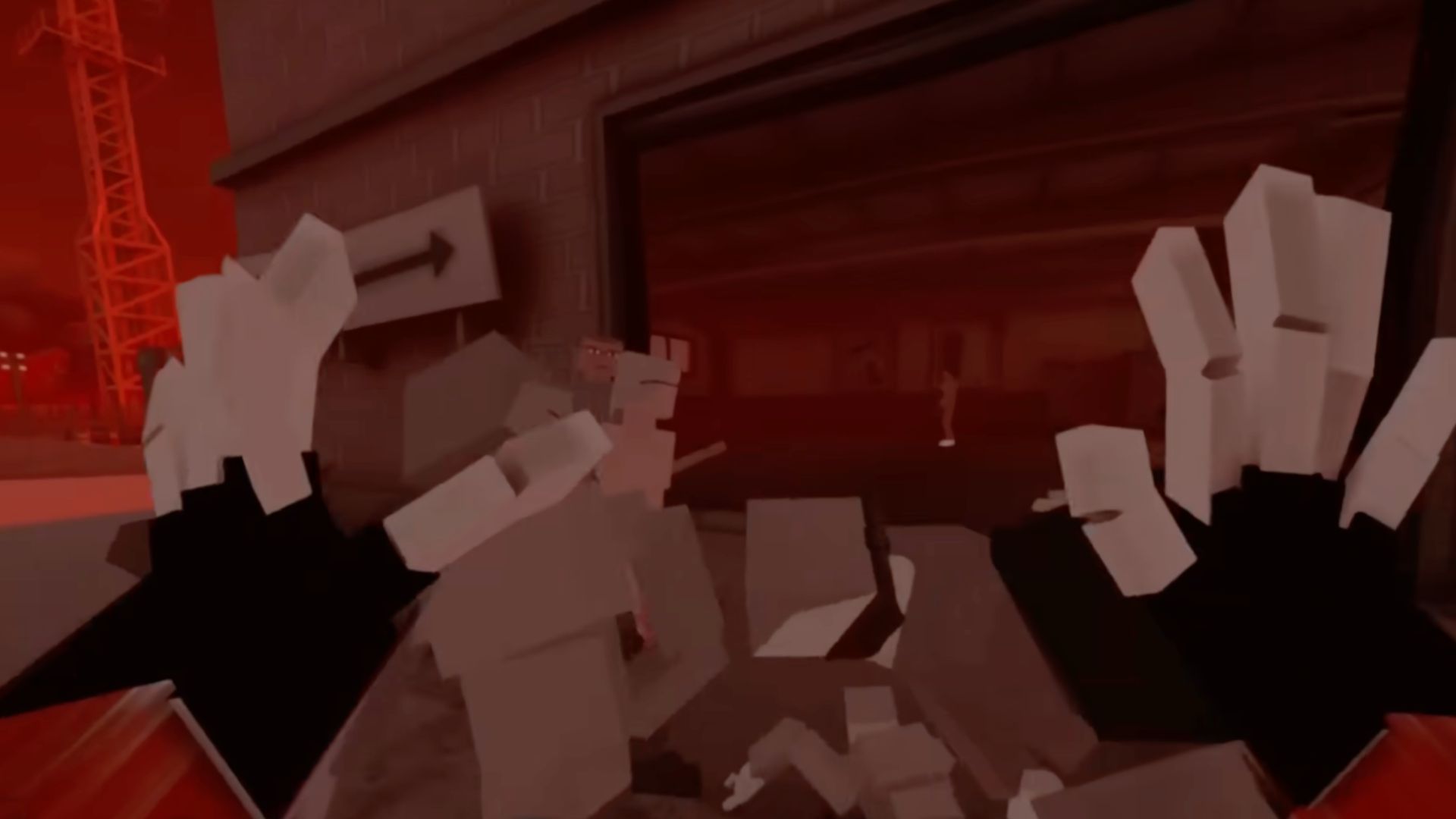







When the Cybercrime Investigation and Coordination Center (CICC) slapped a temporary ban on the mobile game GoreBox following a school shooting incident in Tacloban City involving two minors, authorities likely expected public agreement. What they got instead was a storm of sarcasm, sharp pushback, and one very pointed comparison to one of Philippine primetime television’s most popular action dramas.
GoreBox is a physics-driven sandbox video game developed by Felix Filip, founder of F²Games. It was released on Android on July 29, 2022 as a free download, and later on PC on July 22, 2023 for Linux and Windows, available for purchase on Steam. The game carries an 18+ rating from the International Age Rating Coalition due to its depiction of extreme violence. Following a school shooting incident in Tacloban City involving two minor students, the CICC ordered a temporary ban on the game. The move was swift, but on social media, the reaction was anything but supportive.
A top comment on the Facebook post about the ban, pointed out what many considered a glaring inconsistency. The commenter questioned how Coco Martin’s long-running action television program, one that has featured relentless gunfights for years with seemingly unlimited ammunition, was never scrutinized the way a mobile game immediately was. The comparison resonated loudly with other users, many of whom agreed that Coco Martin’s show was far more violent in content and far more accessible to young audiences than the mobile game in question.
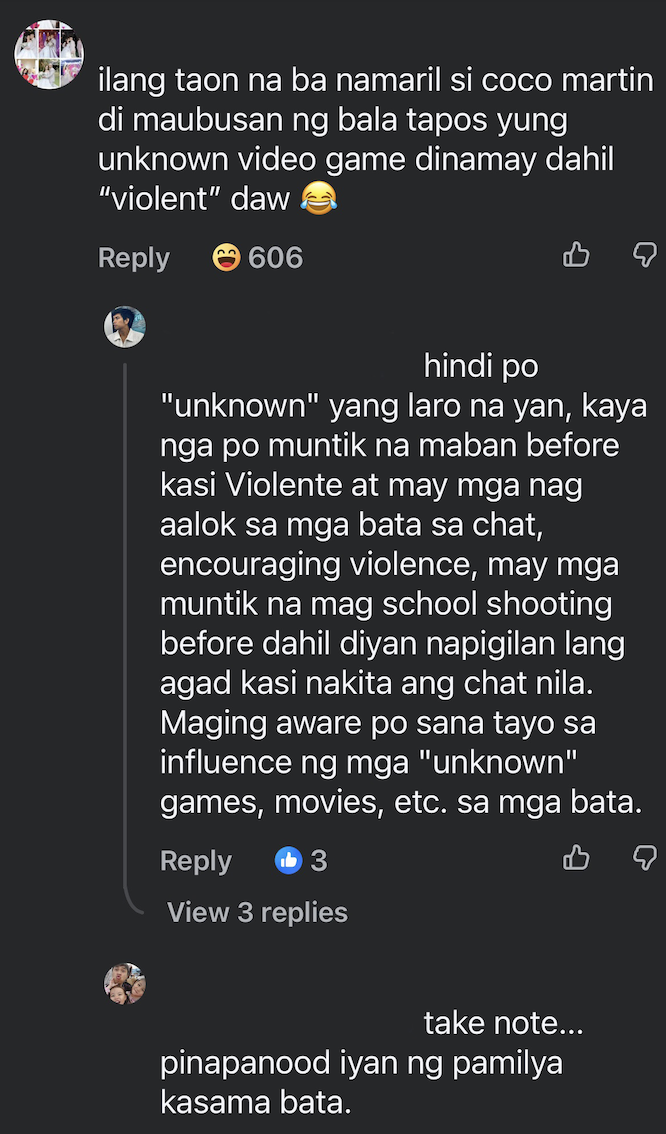
The accessibility argument gained further traction in the comments. Several users noted that unlike a mobile game requiring a deliberate download, Coco Martin’s action drama is watched in family settings with children present. This raised a question many felt was being overlooked: if the concern is protecting minors from violent content, why was a nightly television program that airs directly into Filipino homes without any content filter escaping the same level of scrutiny?

Others redirected the conversation entirely, pointing out that the more important question was never raised in the public discourse surrounding the Tacloban incident. Commenters questioned why no one was asking where the minors obtained the firearm, how it entered school premises, and why two students had access to it at all. The argument was that with so many contributing factors to examine, narrowing the blame down to a video game reflected a troubling oversimplification of the issue.

This frustration was echoed by commenters who cited widely known examples to challenge the assumption that violent games produce violent behavior. One commenter pointed to Grand Theft Auto, noting that despite earning a five-star wanted level in the game countless times, it never translated into criminal behavior in real life. Another referenced Counter-Strike, which was widely played in computer shops across the globe during its peak in the 2000s, and noted that no credible link to real-world violence was ever established from it. The broader point made was that blaming video games for violent incidents is a long-standing deflection from the real, systemic problems that deserve attention.
The temporary ban on GoreBox has reignited a debate that the Philippines, like many countries, has never fully resolved: who is accountable for what children are exposed to, and how should that accountability be applied consistently across all forms of media. As hundreds of Filipino netizens made clear, the conversation cannot begin and end with a mobile game rated 18+ while other forms of equally or arguably more violent content, including Coco Martin’s action drama, continue to air freely and reach far wider audiences every single night.