



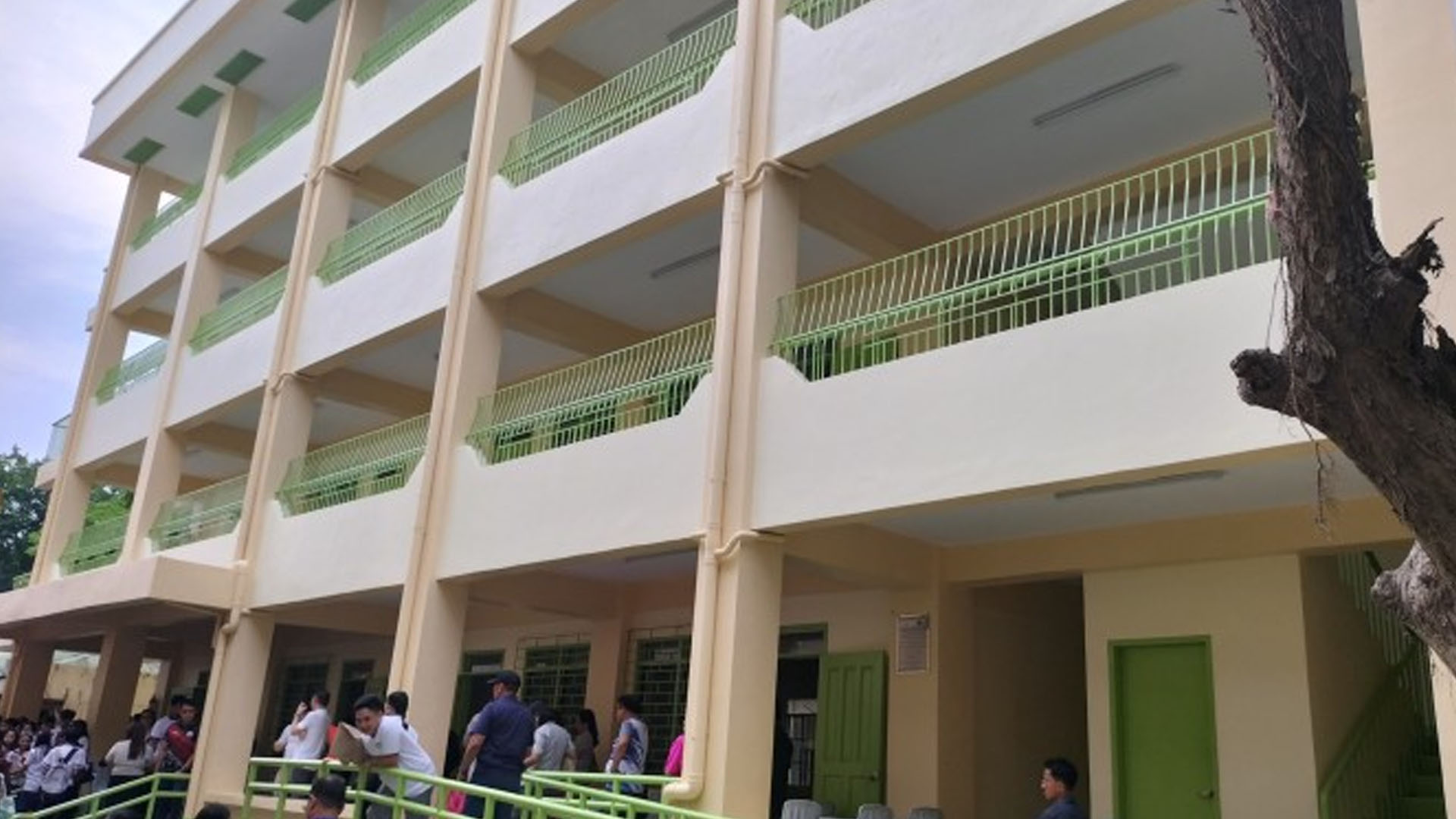







The Department of Education (DepEd) on Tuesday said it has strengthened the framework for the nationwide localized classroom building program to ensure a transparent and swift implementation with 79 partner local government units (LGUs) in the Philippines.
These initial collaborations represent a PHP9.3-billion investment, which is set to deliver 2,632 classrooms across more than 600 school sites nationwide.
In a statement, DepEd Secretary Sonny Angara said absolute transparency must be ensured under the nationwide localized classroom building program.
“Inilatag natin ang mga panuntunang ito hindi para maging pabigat o magpatagal sa proseso, kundi para pabilisin ang paglabas ng pondo habang tinitiyak na malinis, de-kalidad, at walang anomalya ang ating mga proyekto (We have laid down these guidelines not to burden or prolong the process, but to streamline the release of funds while ensuring clean, quality, and anomaly-free projects),” he said.
Under the updated guidelines, the Department of Education (DepEd) has strengthened institutional oversight and streamlined monitoring, ensuring local projects comply with national timelines, digital validation, and strict fiscal standards.
To enforce strict accountability, DepEd is exercising total institutional oversight through the newly established Joint Project Implementation and Construction Committee (PICC).
All 79 LGUs are likewise required to use INSIGHTED, a real-time digital validation and monitoring system designed to track construction progress and eliminate delays.
All LGU-implemented projects must strictly adhere to DepEd’s technical standards, safety protocols, and the New Government Procurement Act.
The updated guidelines introduce a milestone-based fiscal structure to ensure funds are used responsibly. Project funding will be released in three strict installments, which are directly tied to verified construction milestones.
Additionally, a “green lane” financial mechanism will streamline administrative fund releases for compliant LGUs to prevent bureaucratic bottlenecks.
Eligible LGUs retain the flexibility to either hire local contractors through competitive bidding or utilize their own city and provincial engineers for the construction work, provided they meet national standards.
By reinforcing this accountability framework, DepEd ensures that localized construction needs are met without compromising national quality or timelines.
This localized program complements other massive national infrastructure initiatives, including DepEd’s PHP36.227-billion funding pipeline for new classroom construction and the Public-Private partnership (PPP) School Infrastructure Program.
With these updated guidelines now officially active, DepEd expects even more local governments to join the program to help accelerate the building of new classrooms across the country.
“Malaki ang maitutulong ng pakikipagtulungan nating ito sa mga lokal na pamahalaan upang mapabilis ang pagpapatayo ng mga pasilidad (Our collaboration with the LGUs has a significant effect in expediting the construction of facilities),” Angara said.
“Hindi kayang lutasin ng DepEd nang mag-isa ang kakulangan sa silid-aralan, kaya napakahalaga ng tulong ng mga LGU upang masigurong ligtas at komportable ang mga paaralan ng ating mga mag-aaral (The DepEd cannot resolve classroom shortages on its own, that’s why the support of the LGUs is very important to ensure safe and comfortable schools for our learners).” (PNA)