










President Ferdinand R. Marcos Jr. said the Philippines is pursuing long-term solutions to strengthen energy resilience amid ongoing global supply uncertainties and tensions in the Middle East.
During an interview with Japanese media on Monday, Marcos stressed the need to institutionalize energy security measures and strengthen regional cooperation to ensure stable fuel and power supply in Asia.
He said the recent developments in the Middle East exposed the vulnerability of global supply chains and emphasized the importance of preparing for future disruptions.
“So, we have to find ways to prepare for that. We have done much work in ASEAN (Association of Southeast Asian Nations). We have done much work bilaterally with different countries around in the region. And we will continue to institutionalize what we started during this crisis,” Marcos said.
“As you can imagine, I think every country everywhere around the world has had to adjust to this new situation. And the Philippines, of course, is one of those countries. And now maybe those, what we have started out as temporary arrangements, will become more permanent. And become more institutionalized,” he added.
Marcos said the Philippines has been working closely with fellow ASEAN member-states and partners such as Japan to explore alternative fuel resources, improve supply chain reliability and enhance regional energy reserves.
He also cited ongoing efforts within ASEAN to carry out initiatives aimed at boosting energy resilience across the region, including efforts to establish a stronger regional power grid and oil reserve system.
“We started talking in greater detail about the strong ASEAN grid. Then the oil reserve for the ASEAN member countries,” Marcos said.
Marcos said he would also seek clarification from Japan regarding its proposed Power Asia system.
He said discussions with Japan would include supply procurement, supply chain maintenance, crude oil stockpiling, and mechanisms to make energy delivery systems more secure and reliable.
He added that Japan’s proposed USD10 billion assistance package for energy and resource resilience would also be part of the discussion during his visit to Tokyo.
“Now, the opening of the Strait of Hormuz, I think, will be, of course, a very important development. However, despite that, I don’t think that we will go back to the old system where the majority of the petroleum products that are coming out of the Strait of Hormuz are going to Asia. I think Asia is going to start looking for alternative measures in case this happens again,” Marcos said.
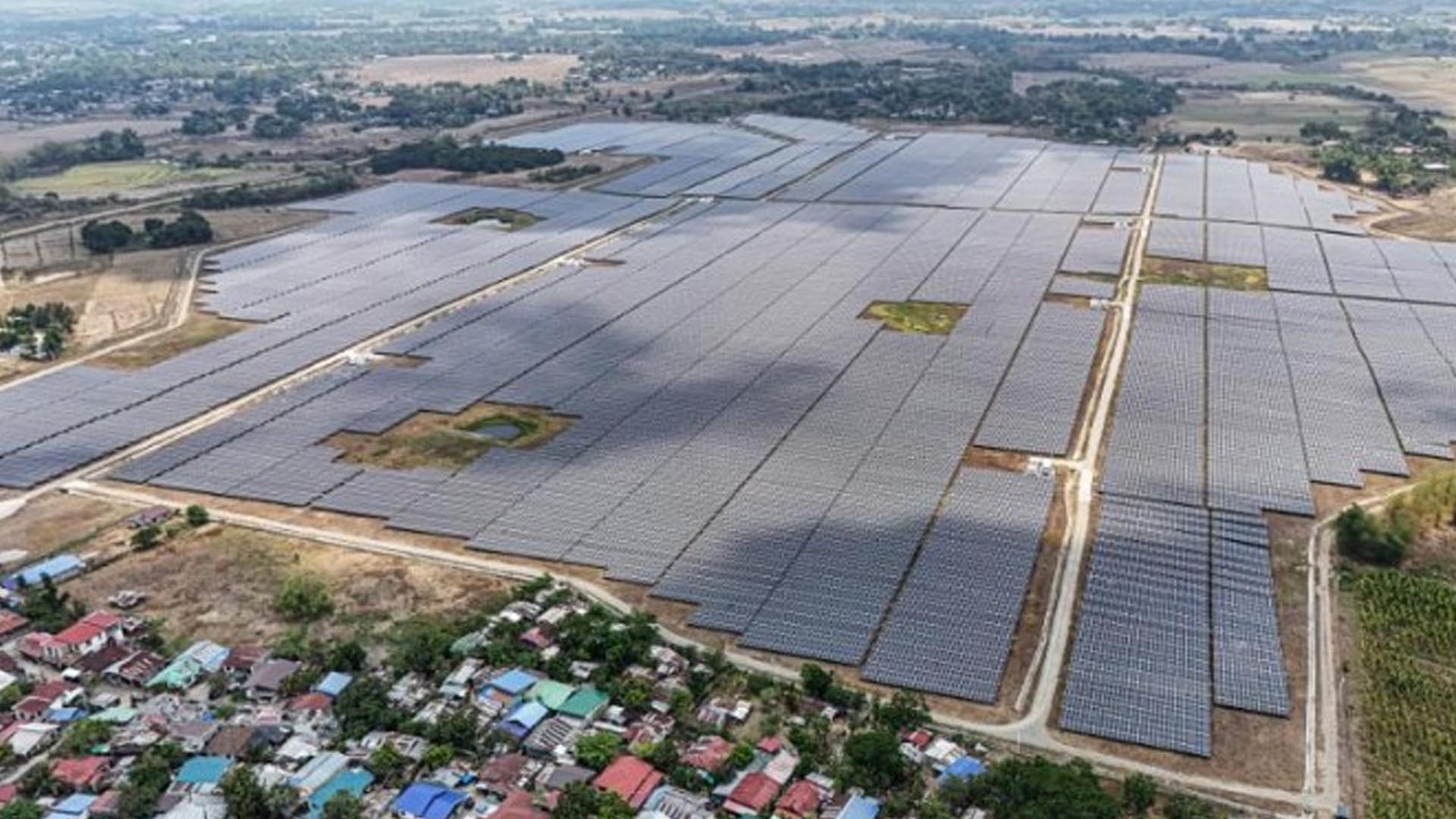
Marcos also reiterated the Philippines’ long-term goal of reducing dependence on fossil fuels and accelerating the transition toward renewable energy resources.
He acknowledged that the country had temporarily turned to coal-fired power generation due to fuel supply constraints but stressed that renewable energy remains the long-term direction for the Philippines and the Indo-Pacific region.
“In the longer term, it will give much, much greater impetus to all the countries around the Indo-Pacific and all around the world to move away from fossil fuels and move closer to renewables,” he said. (PNA)