



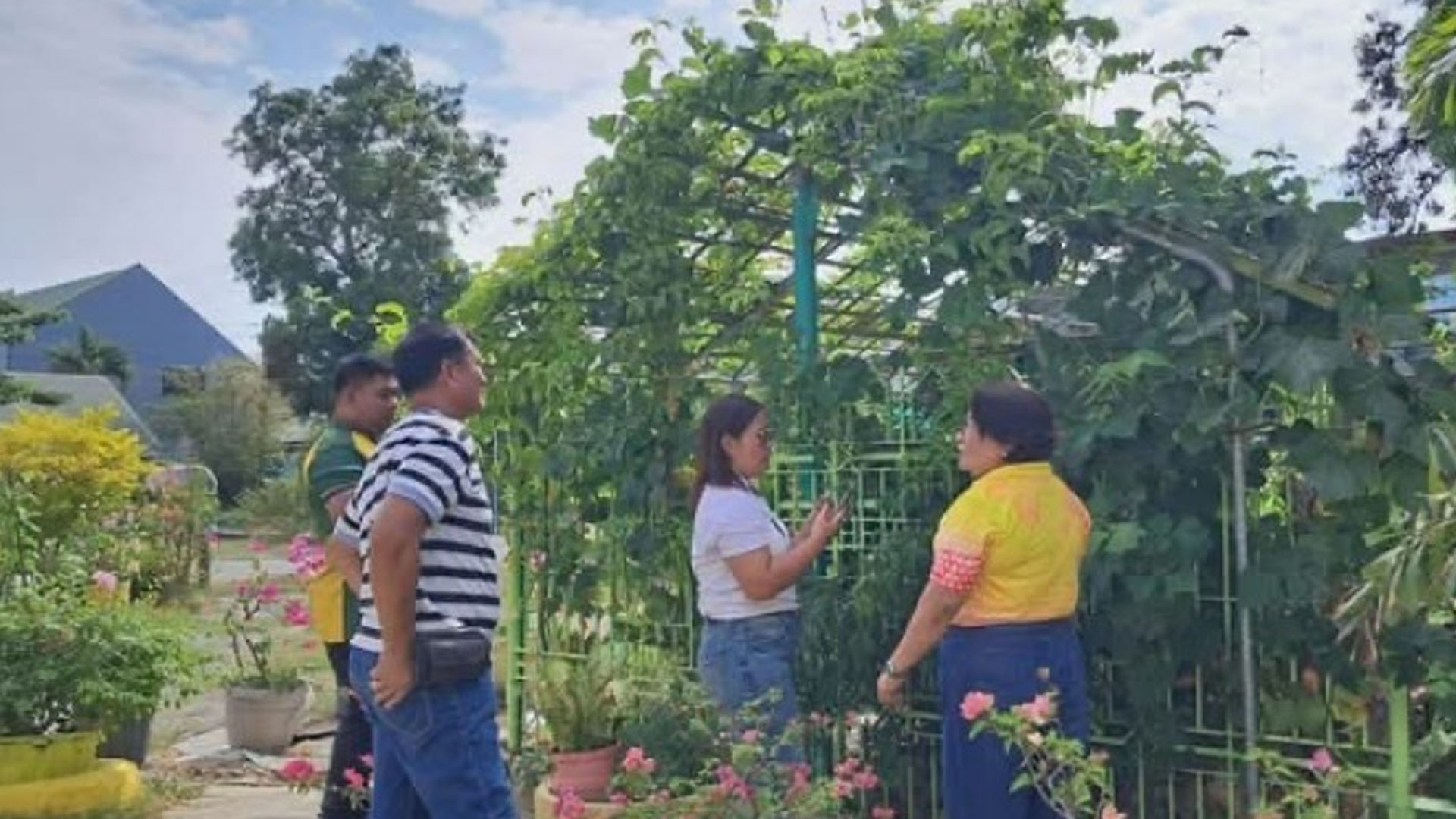







Several schools in Ilocos Norte have been turning to garden-based learning to address food security while preserving traditional knowledge.
At Eladio V. Barangan Memorial Elementary School in San Nicolas, a once-flooded plot now thrives as a garden filled with heirloom and indigenous food plants, including wild singkamas (yambean), bagbagkong (cowslip creeper), patani (lima bean), and pako (fiddlehead fern).
School principal Rolen Oracion told the Philippine News Agency on Thursday that growing indigenous plants makes healthy food accessible to learners while reconnecting them with traditional food that is often more nutritious than processed alternatives.
“We are not just showing learners the benefits of an edible garden but also reconnecting them with traditional food that are often more nutritious than processed alternatives,” Oracion said.
She expressed gratitude to the Mariano Marcos State University Natural Resources Conservation and Management Center (MMSU NRCMC) for sharing the seeds and planting materials.
The Ilocos Norte Agricultural College in Pasuquin town is also maintaining its seed library, collecting heirloom, native, and resistant vegetable seed varieties to share with other schools and plant enthusiasts in the province.
“The seed library aims to preserve the seed varieties from generation to generation,” Joel Calidro, project leader of the first school-based seed library in the province, said.
To date, the library cares for at least 11 varieties of heirloom and open-pollinated seeds, including red beans, bitter gourd, squash, winged beans, and tomatoes.
At Eulalio F. Siazon Memorial Elementary School in the coastal village of La Paz in Laoag City, vermicomposting transformed a once-stony ground into rich soil. African night crawlers convert organic waste into high-quality compost for the plants.
Among the most resilient varieties at the school garden are “samsamping” (blue ternate) and other indigenous food plants, which the school shares with the community for nourishment.
Aligned with national priorities on food security, climate resilience, and sustainable development, school communities and partner organizations are being tapped to conserve and utilize indigenous and underutilized plant species.
MMSU NRCMC senior science research specialist Menisa Antonio said the center has been working closely with farmers, communities, and partner institutions to expand the promotion of indigenous food plants for generations to come.
“I am delighted to know that a wild singkamas is blooming at the Eladio School this summer. Usually, we only have access to this wild variety during the rainy season,” Antonio said.
In a local study, MMSU has identified at least 46 indigenous vegetable species and food plants in Ilocos Norte that require preservation and intervention to prevent extinction. (PNA)