










Officials from the Association of Southeast Asian Nations (ASEAN) and the Manila-based Asian Development Bank (ADB) have agreed to identify priority areas under the ASEAN Plan of Action for Energy Cooperation (APAEC).
They also agreed to integrate energy resilience into the respective Sub-Sector Networks for further discussion at the June 2026 Energy Resilience Roundtable. Key messages will be elevated to the Senior Officials’ Meeting on Energy and the ASEAN Ministers on Energy Meeting, the Department of Energy (DOE) said Tuesday.
In a news release, the DOE said the agreement followed the inaugural energy resilience information session held during the ASEAN Special Senior Officials’ Meeting on Energy in Bohol earlier in the day.
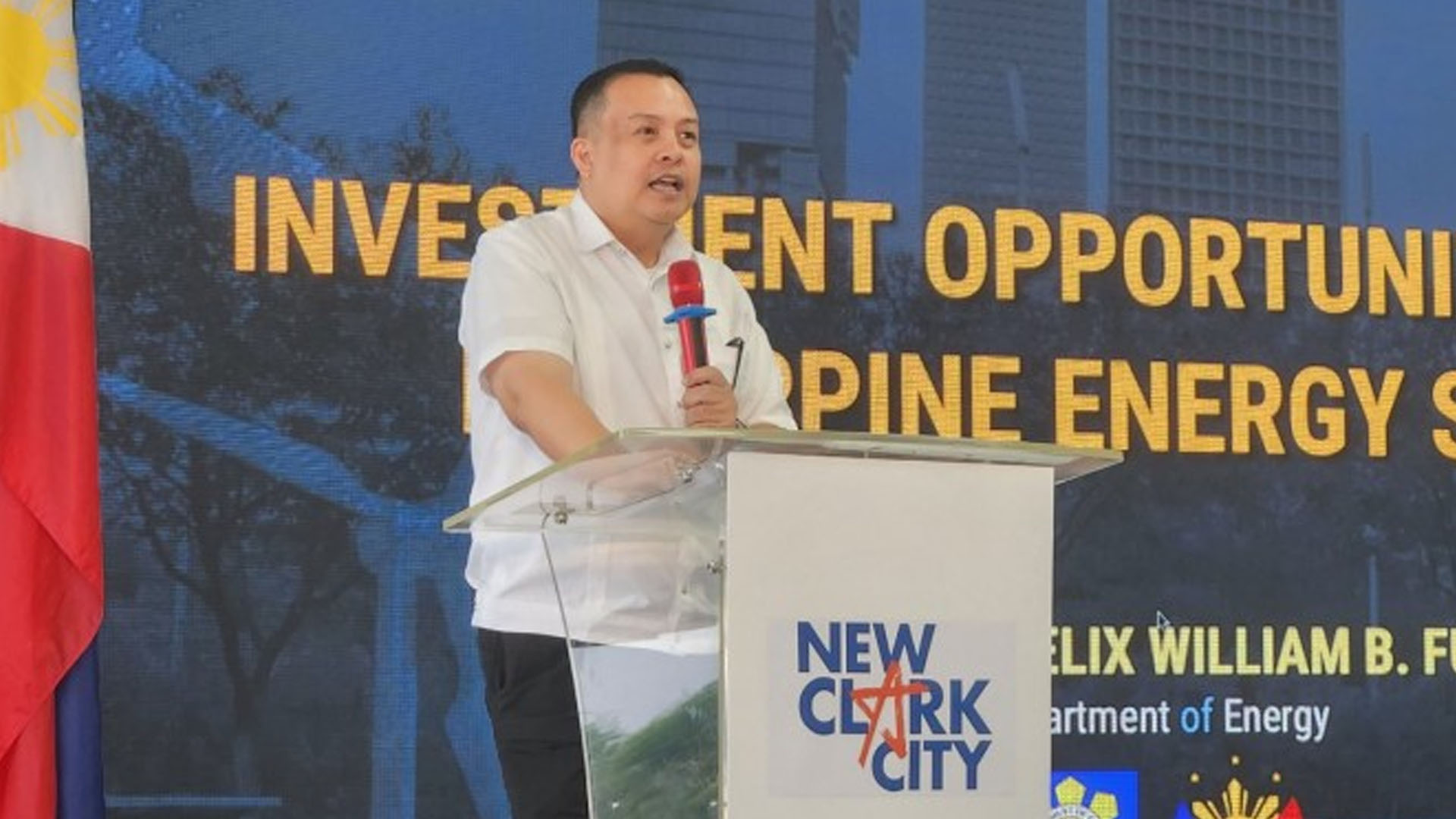
Energy Undersecretary and Philippine Senior Official on Energy Leader Felix William Fuentebella said energy resilience is now an urgent operational requirement, not a future concept.
He said early engagement with ASEAN partners will help build a common foundation for policies and investments to keep energy systems stable and adaptable amid extreme weather, supply disruptions and rapid demand changes.
“For ordinary Filipinos, we have more partners in addressing resiliency towards fewer power interruptions, more predictable electricity cost, and stronger continuity of essential services, so homes can keep the lights on, small businesses can stay open, and hospitals, schools, and transport systems can operate reliably even during crises,” Fuentebella said. (PNA)